


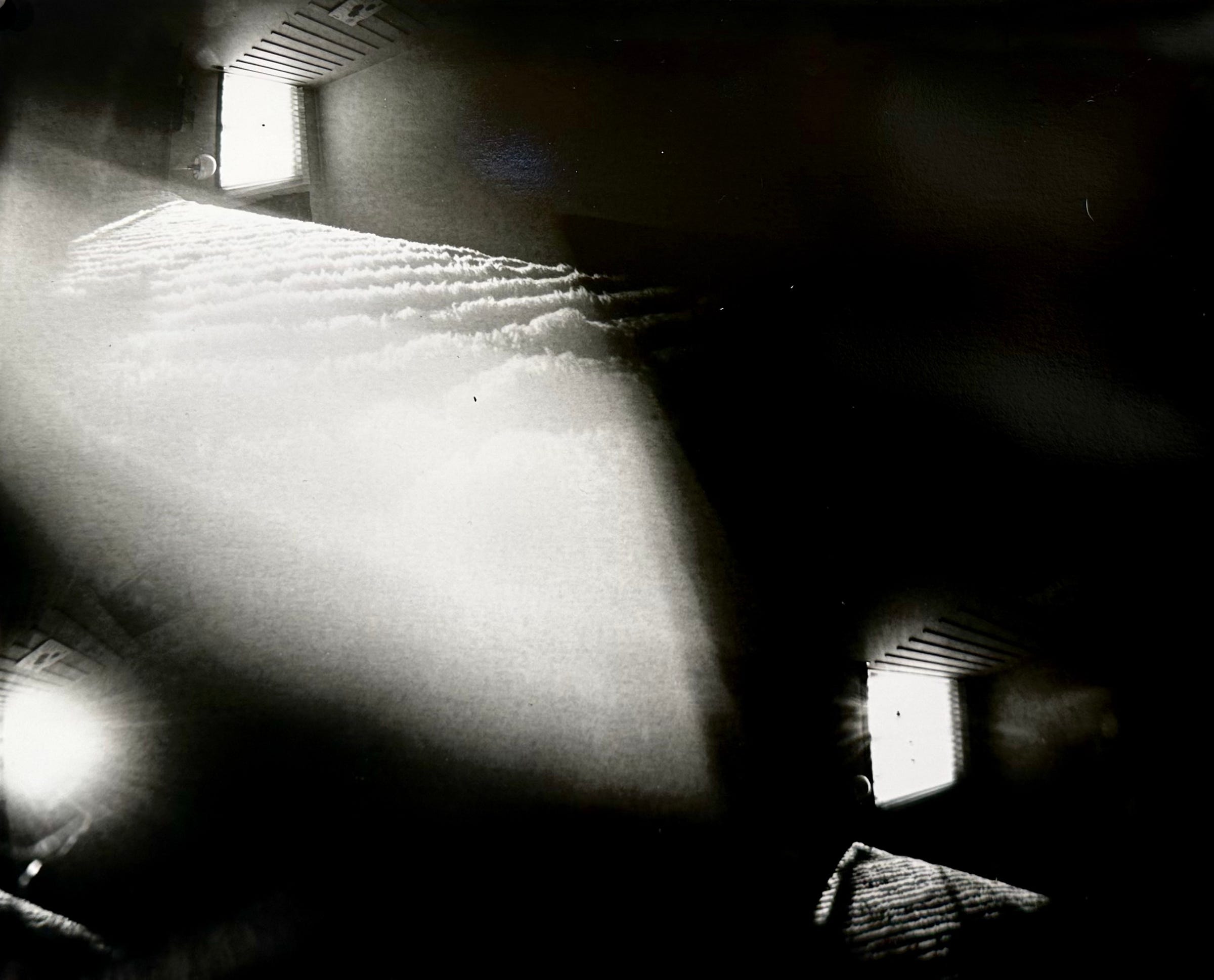
Between the loss of her son, Lucas, and her brother, Rob, Deb Todd Wheeler lived through an eleven-month erasure. When the people who ground our lives are gone, language fails; all that remains is the sound of the clearing. Deb was left with a forest being raised to the ground in tandem with her own life.
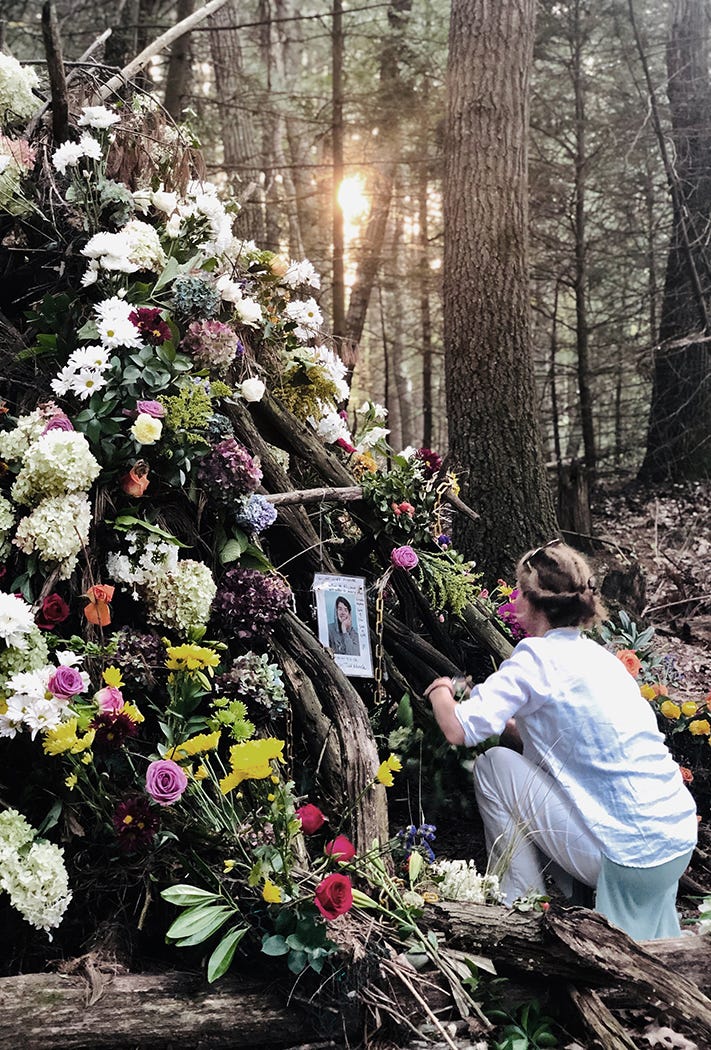
Out of that wreckage, Deb built a piece of infrastructure for the unthinkable. Radio Silence is a geolocated audio walk in Brookline’s Lost Pond that uses original music, field recordings, and the deliberate act of walking to house a grief that is too large for a human body to carry alone.
It is art as a living container, where the residue of a life interrupted is meticulously woven into the very trees that grew back in the shape of his absence.

A metaphor in softwood
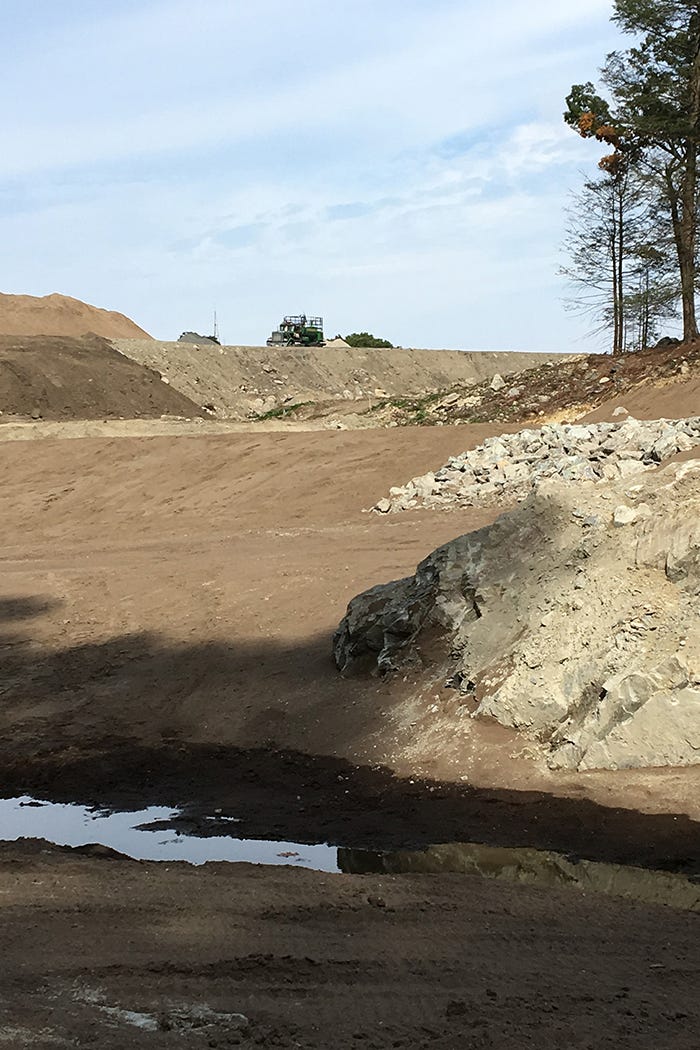
One of the most profound moments in the walk occurs at The Clearing. Deb recalls arriving at the woods the day after Lucas died to find the forest being remediated—the earth literalizing her own devastation. She describes “screaming trees” mirroring a family cut down at the knees.
Years later, that site of destruction has become a site of revelation.
“Everything growing in the clearing is as old as he is gone,” Deb says. “It is a space of deep regrowth... the shape and size of the space between now and when he died.”
By walking through trees that are the exact age of her son’s absence, the abstract weight of years passed becomes a tangible, leafy reality. This is restoration ecology as a metaphor for human resilience.
Stewardship of the interruption—or, how art preserves the preserver
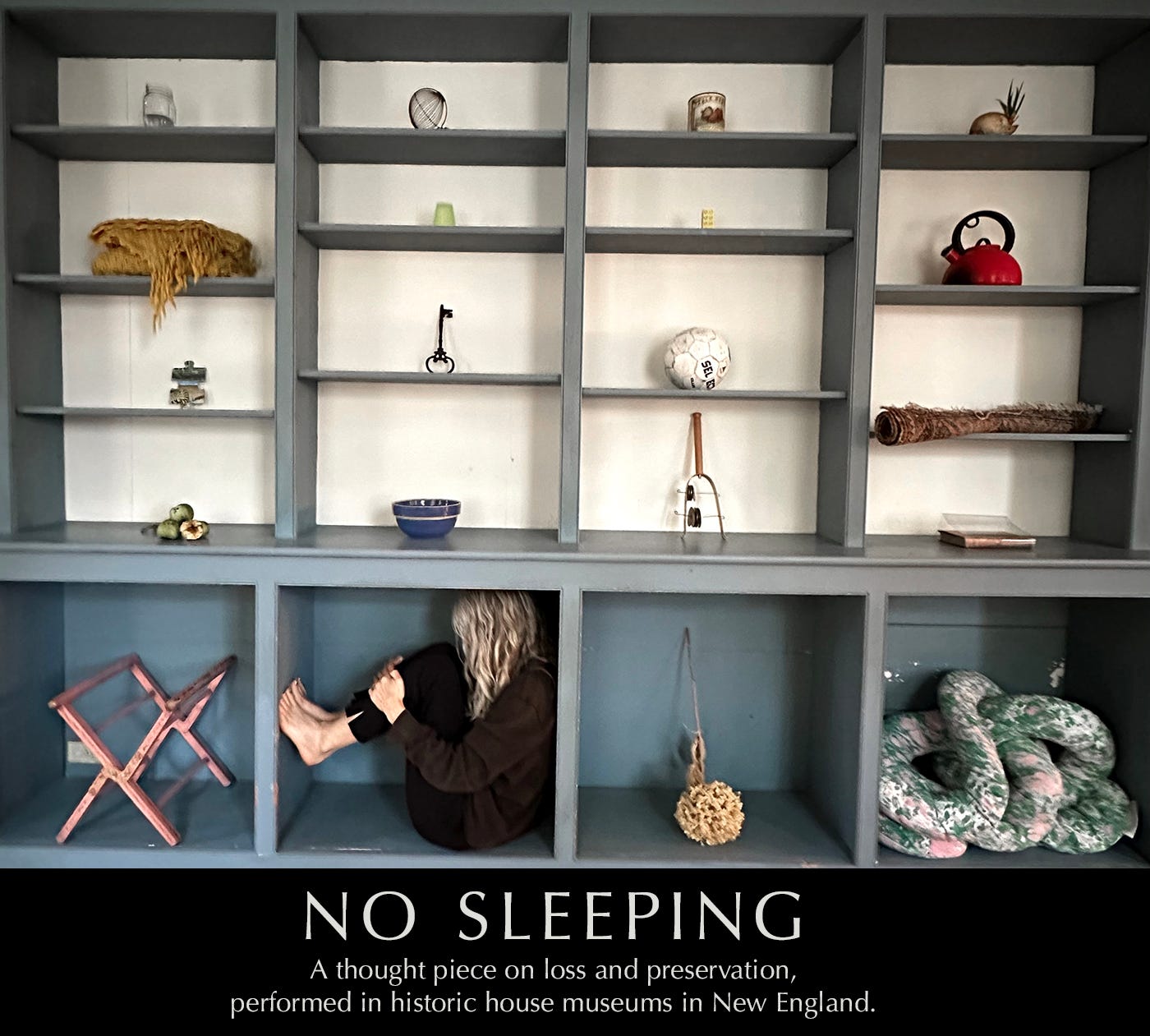
Deb’s newer work, NO SLEEPING, shifts the focus from the forest to the domestic interior. In intimate performances held in historic house museums (like the Gropius House), audiences of just nine to 15 people witness a video montage of bedrooms dissolving into one another.
Here, the focus isn’t just on the objects of history—the beds where famous people once slept—but on the tools of preservation.
Deb asks the house curators: “What are you using to keep everything vibrant and not covered in dust?”
It turns out, the true legacy isn’t the antique chair, but the dusting brush. It’s the ritual of attention. This project explores the persistence of objects and the quiet, daily labor of the caretakers who extend the life of a memory through simple gestures.
It suggests that legacy isn’t just the “thing” we leave behind; it is the action of keeping that thing luminous.
Between the woods and the walls
What connects a remediated forest to a historic bedroom? Whether it’s the boots on moss during an audio walk or the soft bristles of a duster against a 1930s headboard, Deb’s work highlights the human infrastructure required to navigate loss.
In her conversation with Lili on the ArtStorming podcast, Deb mentions the “glimmers,” as she calls the small, tender scenes of a day that she bullets into a list each night. These glimmers are the raw materials of her art. They are evidence that even when we are “picking through the bones” of a tragedy, we are still capable of documenting the light.
As she documents the glimmers of light in Lucas’s bedroom or leads strangers through the Lost Pond, Deb proves that art is the fundamental infrastructure we need to remain present in a world that is constantly dismantling itself.
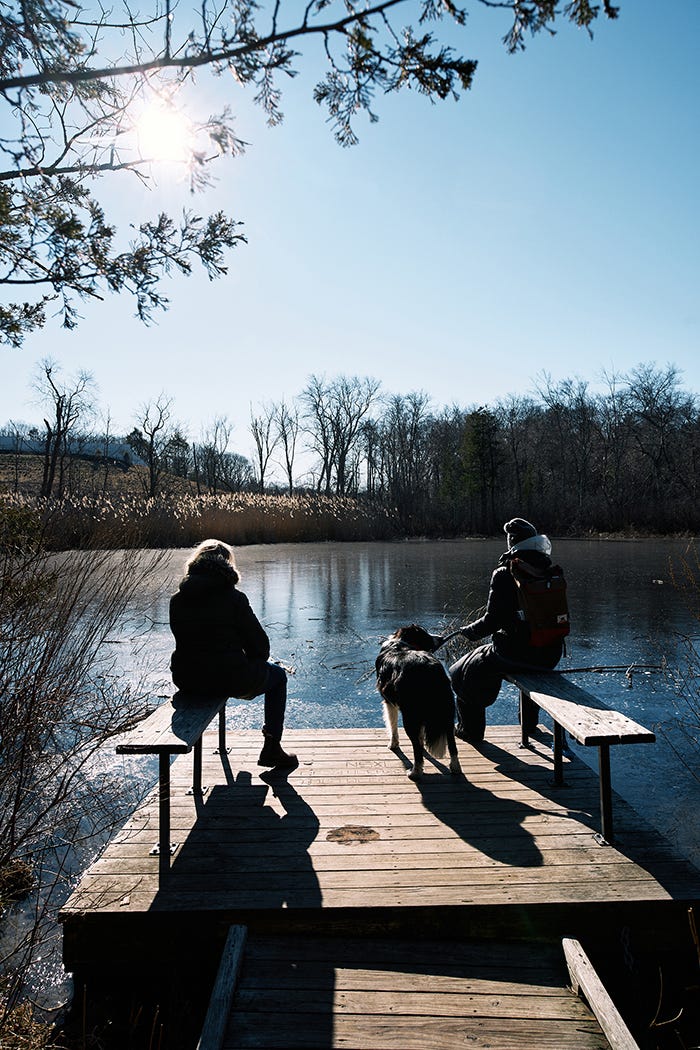
Will You Go Silently?
Deb’s work proposes a radical shift in how we view our final acts. It suggests that legacy is not a posthumous award or a stone over a grave, but a living interruption that we curate every single day.
We are all preservers. We are all caretakers of our own clearings, waiting for the new growth to reach the height of our memories. Deb reminds us that art doesn’t have to fix our grief. Instead, it provides the container—the container that allows us to walk through the woods, or sit in a historic bedroom, and feel the weight of our own survival.
As we look toward our own artful exits, we are left with the question that haunts and inspires this season of ArtStorming:
When the light hits your room at that specific hour, what tools are you using to keep your story dusted and luminous?
Will you stand out against the quiet of the night, or will you go silently? Deb Todd Wheeler shows us that if we listen to the radio silence long enough, we might just find the music that carries us home.
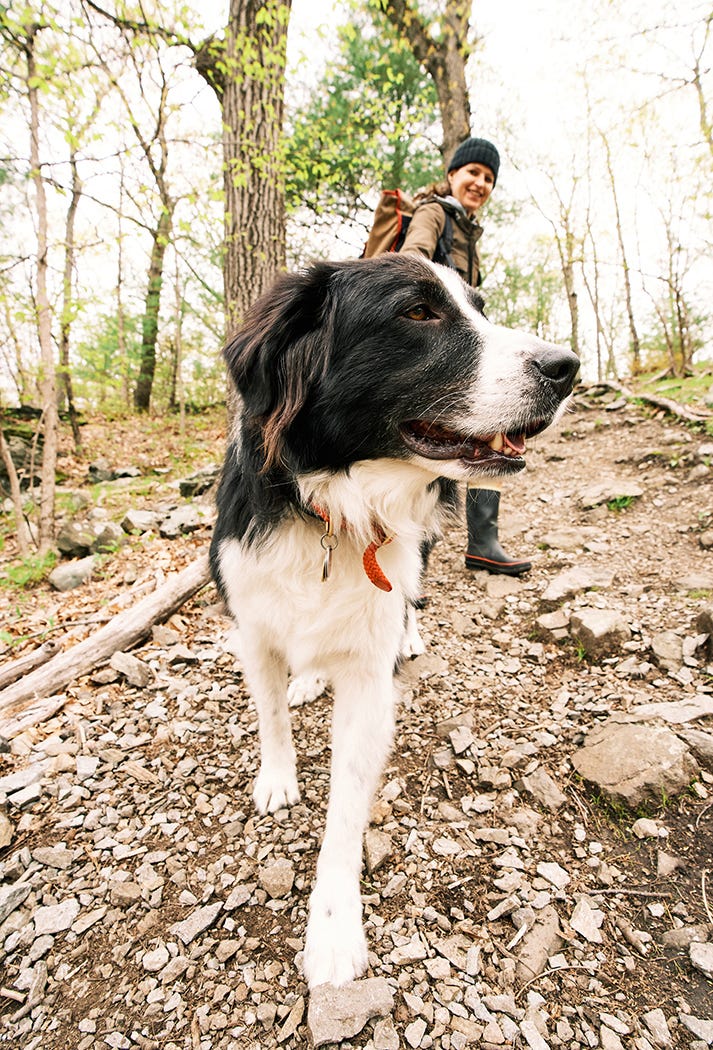
Continue the Conversation
The dialogue with Deb is just one part of a larger architecture we are building this season. If this exploration of Radio Silence and the clearing of grief resonated with you, there are several ways to engage deeper with the work:
Listen to the full episode: Hear the textures of the forest and the cadence of Deb’s story on the ArtStorming podcast.
Learn more about Deb Todd Wheeler and her work, including No Sleeping and The Book of Walks.
Listen to a song from the audiowalk, “Bear Hunt:”
Support the Infrastructure: ArtBridge is a 501(c)(3) nonprofit. We believe that art is not a luxury, but the fundamental infrastructure for human integrity and survival. The labor of curating these stories, hosting these courageous conversations, and maintaining a sanctuary for remembrance requires collective support.
Your contribution ensures that these clearings remain open for everyone.
Become a paid subscriber: For $8 a month, you help us sustain the production of ArtStorming, Daily Doses, and Creativity Toolkits.
Make a direct donation: Every dollar goes directly toward uplifting vital artistic voices and cultivating creative expression in our community and beyond.
Visit artbridgenm.org to learn more about our mission and our initiatives.