

Diamonds in the Filter
A story of two families, Yale, and a monument written in cotton

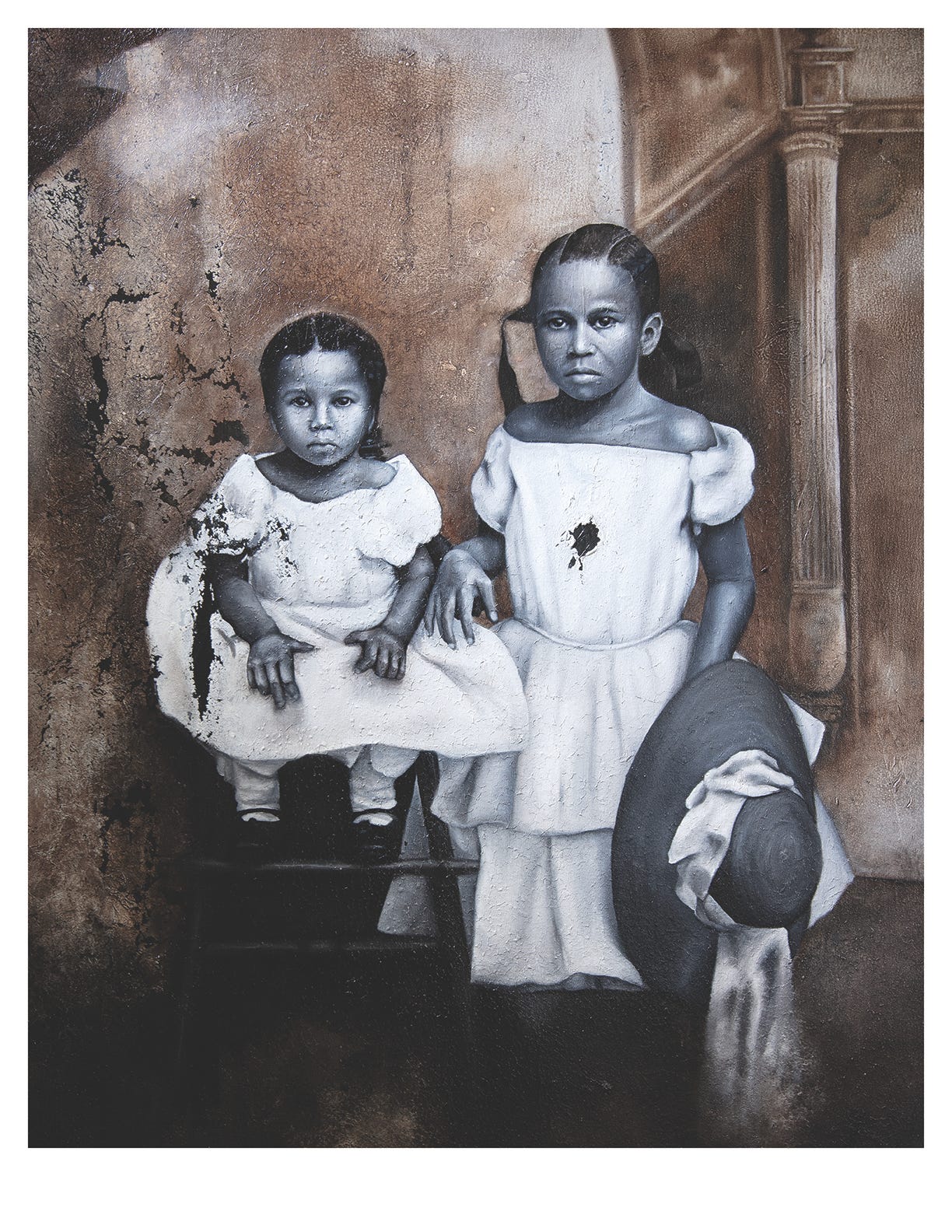
Have you ever had a moment where the space between the past and the present collapses directly in front of you?
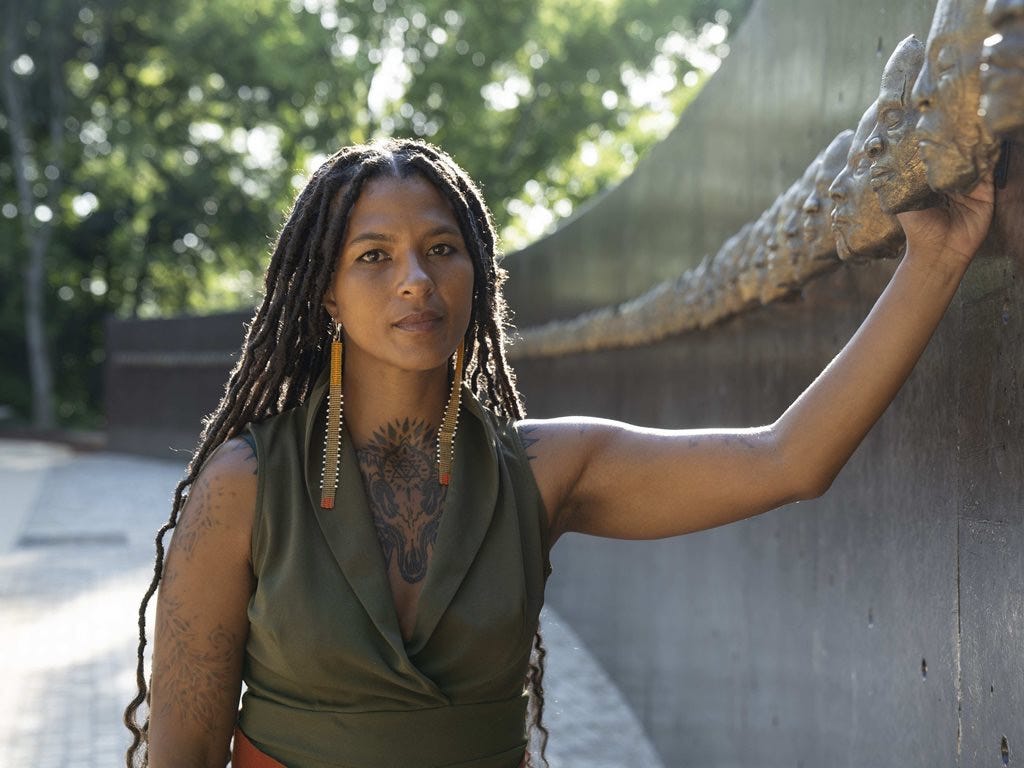
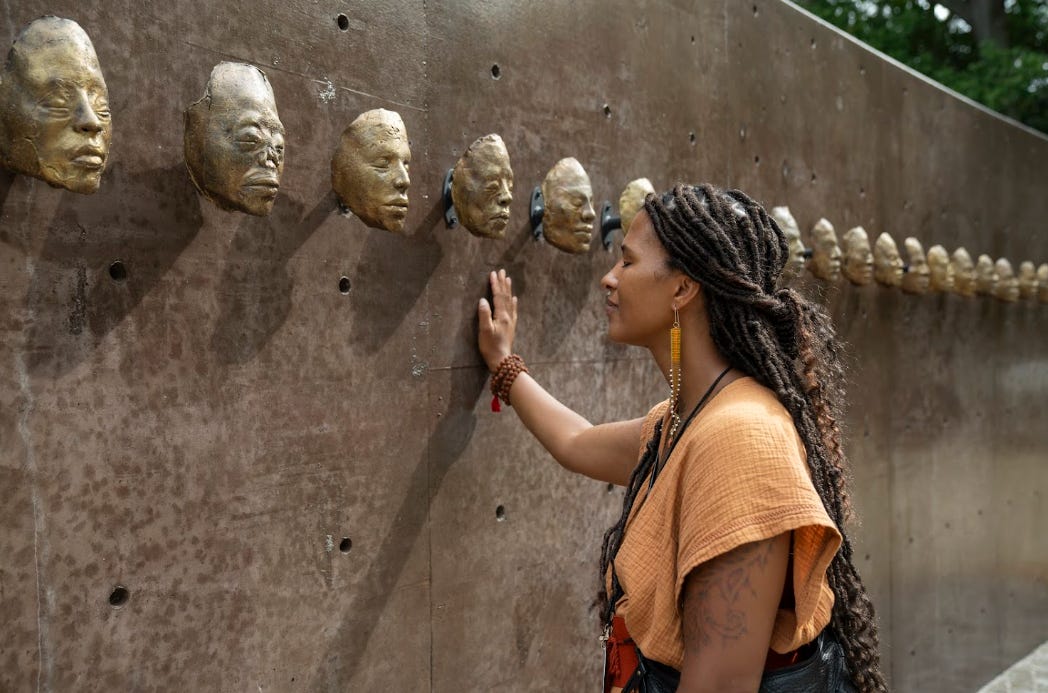
This happened on a recent spring afternoon, just three minutes into a recorded conversation for the ArtStorming podcast. Across the digital line from Host Lili Pierrepont sat Nikesha Breeze, an extraordinary interdisciplinary artist speaking from New Haven, Connecticut. She mentioned she was currently at Yale University, building a permanent monument dedicated to the historical memory of the enslaved people who built the institution.
Lili paused. Her ancestor, Reverend James Pierpont (later generations changed the spelling back to Pierrepont), was one of the original founders of Yale in 1701.
When Lili shared that detail, Nikesha looked at her through the screen. Gently and matter-of-factly, she revealed that her monument directly and specifically honors Jethro and Ruth Luke, the very family whom Reverend James Pierpont had legally owned and enslaved.
Historical records show that Jethro and his son Gad performed the grueling physical labor required to construct Connecticut Hall, the oldest standing structure on Yale’s campus today.
In an instant, the safety of the digital spell evaporated, and centuries vanished. Two strangers who came together to discuss the abstract concept of legacy became two women carrying the heavy, tangled cords of a shared American lineage, sitting face-to-face with the reality of what their ancestors had done to (and with) one another.
What followed was a beautiful exploration and example of how we collectively metabolize human loss, ancestral grief, and planetary trauma into diamonds of art and connection.
To look into our history is a deeply sobering, often uncomfortable task. But as Nikesha’s work reminds us, the goal of confronting the past is to reanimate what has been forgotten so we can finally heal.
Nikesha’s massive Living Histories installation at the Sydney Biennale, titled “Anatomy of Remembrance,” spans over 6,000 square feet of a historic power station. The foundation of the entire work rests on a decade of deep research into the WPA oral history archives from the 1930s—a treasure trove of 2,300 firsthand accounts of formerly enslaved people.
“There are countless books about it, but from the mouths of people who lived it, it’s really different...” Nikesha tells Lili in her ArtStorming interview. “This record became the foundation for the work... The moving space of it was just wooden fabric. There were pieces of wood for the cabin and the fabric, but what made it alive were the stories and the vision and the concept, and that travels.”
Nikesha’s ultimate vision expands far beyond a single art installation. The dream is to construct a living, searchable data archive where all 2,500 histories are reanimated by living voices, offering descendants a direct pathway to their ancestry, medicine, and traditions.
In our hyper-accelerated modern culture, we treat death and grief as structural glitches to be sanitized, commercialized, or solved as quickly as possible.
We are terrified of sadness because we are afraid there is no other side to it.
Nikesha looks at grief through a completely different lens, drawing a stunning parallel from Chinese medicine to explain how our bodies are structurally designed to process heavy emotional environments:
“Grief in Chinese medicine is processed through the lung,” Nikesha says. “And the lung is such an incredible organ, right? Such a phenomenal organ of filtration and of refinement... The lung is pulling in all of this breath, but it’s then filtering that breath... to break apart that breath and pull out the water from it.
That’s the work, right? We pull grief in this huge way, and then our lungs pull out the gold, the beauty, the preciousness.
So as we move through grief, actually transmute it through the body... …what comes is these little diamonds of what matters, what truly matters, what truly builds our soul, what builds our understanding of love.”
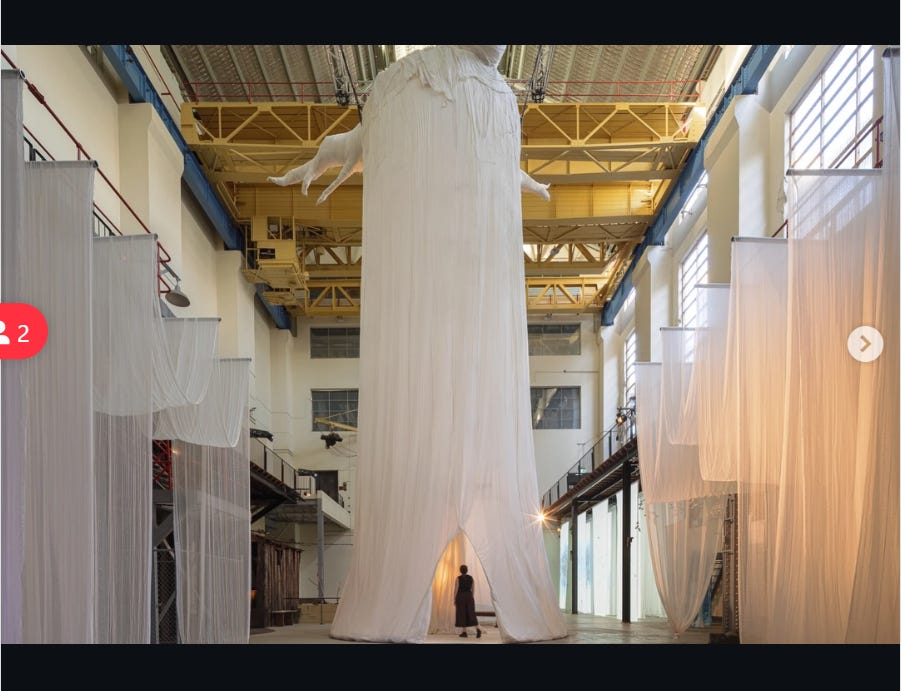
At the center of Nikesha’s Sydney installation stands a towering, 65-foot-tall mystical baobab tree constructed from over 2,000 yards of cotton—the exact amount of material a single enslaved worker was forced to harvest in a day or two.
During construction, fabricators wrapped the naked branches in cotton soaked in cornstarch. Nikesha reflects that the process felt like shrouding, wrapping, and caring for a human body. It serves as a reminder that the natural world is intimately bound up in our human histories.
“I do believe it is true that the trees really are processing our grief on the planet all of the time,” she says. “The trees themselves are some of the most intelligent creatures or beings on the planet... You think in grief, you learn about your separation and your isolation. But you actually learn about your connection and you learn about the way that you are truly inseparable, actually, from everything else.”
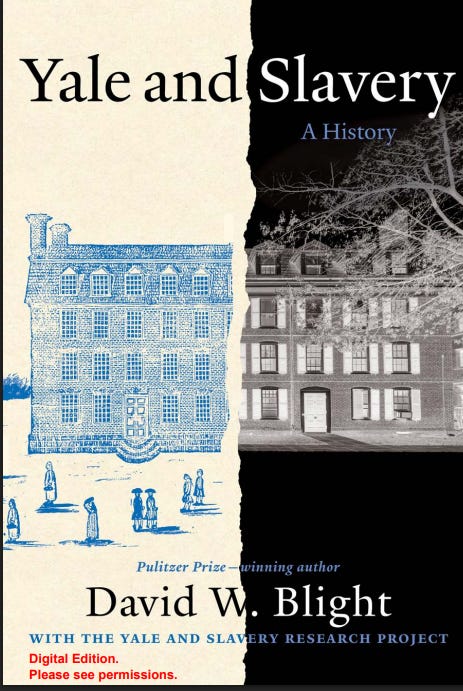
Confronting the reality of our shared history can be profoundly uncomfortable. Diving into the Yale and Slavery historical texts to look her own family’s past in the eye is a deeply sobering task for Lili. But as Nikesha reminds us, this work isn’t about maintaining walls of separation or hiding behind individual shame. It is about building containers of high-trust relationality.
When we gather, when we sit across from one another, and when we create spaces to listen to the unscripted truth of who we are, we stop moving at the breakneck speed of modern distraction. We drop into the deep, slow rhythm of the earth. We breathe in the heavy air, we trust the filter, and we find the gold.
Listen to the full, unscripted conversation with Nikesha Breeze here. You can also find the ArtStorming podcast on Apple Podcasts, Spotify, or your favorite streaming platform.
If you’re in Northern New Mexico, Nikesha's work, New Editions, can be seen in Albuquerque at the Richard Levy Gallery through Aug. 8, 2026, with a reception on July 11, 6-8 pm.
If you would like to support our ongoing mission to build spaces for deep human storytelling, connection, presence, and ancestral remembrance, consider becoming a paid Substack subscriber or making a tax-deductible contribution to our nonprofit engine, ArtBridge.
More resources mentioned in Nikesha Breeze’s ArtStorming episode:
levygallery.com/artist/nikesha-breeze-new-editions/
nps.gov/places/blackdom-new-mexico.htm
On Instagram: @levygallery, @living_histories-project
This is a must read! The connection between one of the founders of Yale University and the ancestors of a slave family who labored to build the college is incredible! No coincidences…